Land and Waters Acknowledgement Statement
We acknowledge that we work and live on the traditional homelands of the Coast Salish peoples. The University of Washington’s Friday Harbor Laboratories acknowledge the Coast Salish peoples of this land where we teach, research, and learn- the land which touches the shared waters of all tribes within the Lhaq’temish (Lummi), Lekwungen (Songhees), Swinomish, Semiahmoo, Samish, T’sou-ke, WSÁNEĆ, and Jamestown S’Klallam, and we pledge support for Coast Salish peoples of our community and seek meaningful connections to protect our shared environment.
This short statement represents a larger process and is subject to change as we learn more. You can read our full FHL Land and Waters Acknowledgement Statement and view additional resources here. Our intentions at FHL are to actively develop meaningful relationships that support specific actions and programs. We welcome feedback and are always open to hear how we may improve our acknowledgement of the local tribes.
December 24, 2025
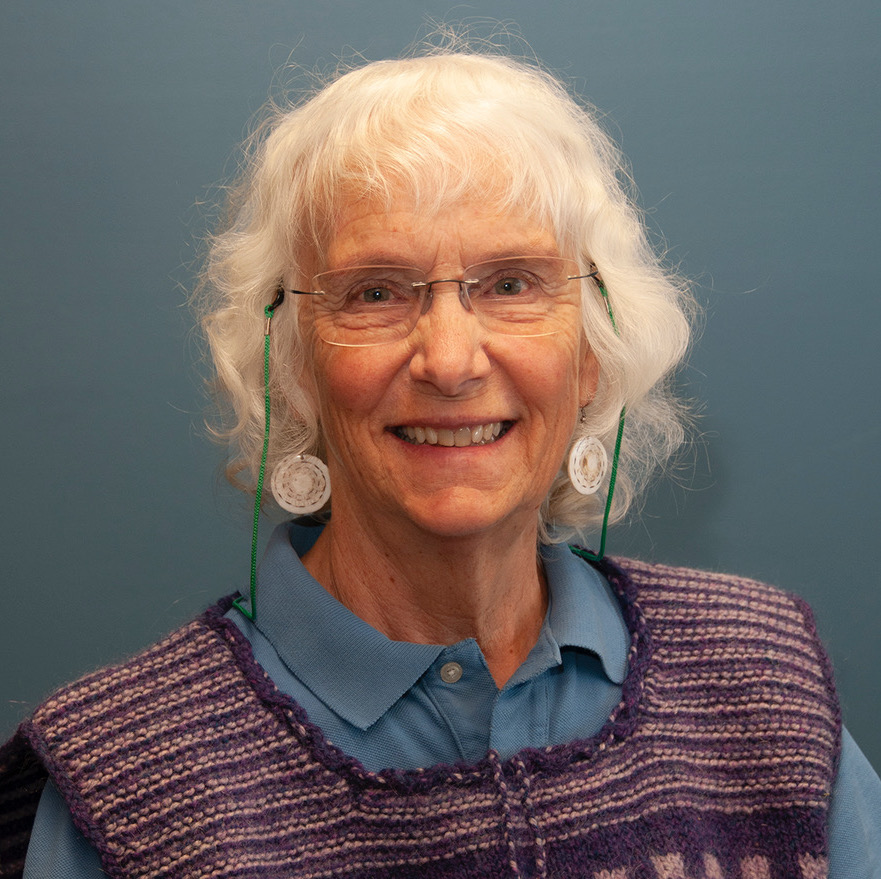
In the last 6-9 months, as bad news about federal and state funding has swirled around us, the question I have been asked most often is “How is FHL faring?” I keep answering “We’re hanging in there,” which is an accomplishment all by itself! Like most universities in the US, the UW has been hit by losses and uncertainties about federal funding, including threats to the system of university overhead that supports active research enterprises. A more direct impact, however, comes from cuts levied on UW by the state legislature because the Washington state budget is in deficit. At FHL we have had to budget for a 5% cut from our core funding, not easy for an already lean budget… but we have managed to do this without laying anyone off, thank goodness.
Longer-term, we worry about decreases in visitors coming to FHL for research and classes, because the health of all our self-sustaining budgets relies on fees from users; fortunately last summer, we were wonderfully full. We also need to plan for declines in the funding received from UW from grant overhead. For now, we will be using mostly private funding to help bolster some of these essential functions, including paying our Research Support Staff member, replacing common-use equipment such as microscopes, and buying a much-needed 4th minivan for class field trips.
Our strategic planning efforts of 1-2 years ago suggested many directions in which to put additional staff time and effort to keep moving us forward in our areas of strength, and perhaps increasing focus on topics such as climate resilience. While we are by no means giving up on such efforts, I feel like an octopus that has pulled in tentacles that were out exploring the environment – my focus now is protecting the core, proving that we can continue to fulfill our missions beautifully but not trying to expand in this time of uncertainty.
There is plenty of good news despite these areas of concern. Using donor funds, we hired two new postdocs who started during the summer, and will be searching for two additional ones in 2026. Even more exciting, we’ve begun a search for a new faculty member in Invertebrate Zoology to be resident at FHL, using an endowed fund – this will be the first faculty hire at FHL since Adam Summers! Resident and visiting researchers continue with diverse and exciting research at FHL; you can see some recent publications here. In terms of education, last summer we carried out an experiment (arising from strategic plan discussions) of offering some shorter, not-for-credit, skill-building workshops in addition to our traditional 5-week summer courses. We ended up running four classes and three workshops in Summer 2025 and learned a lot (the hard way!) about timing, logistics, and limiting resources (boats, vans, classrooms). But the experiment was definitely a success, as described briefly in our Intertidal Tidings newsletter. Another piece of good news, relevant to our ability to support fields that have always been at the core of FHL’s research and educational efforts, is that we have a newly established FHL Phycology Endowment! For years we have had funds to support research and education on invertebrates, fish, embryology, and ecology, but this is our first fund targeted towards research on algae – a tremendous addition that rounds out our fellowship offerings.
So right now, we appreciate even more than usual the support we receive from the UW College of the Environment and from our cadre of private donors. We also greatly appreciate our many visitors, who continue to come to FHL to conduct research, hold conferences, and pursue scholarly studies at our Whiteley Center. With all of those positive elements, we will stay open and vibrant, and will be able to keep our boats in the water, our lab equipment functioning, and staff morale high. Despite everything the outside world has thrown at us in the last year, the campus vibe is busy and creative, and I remain optimistic about FHL’s future.
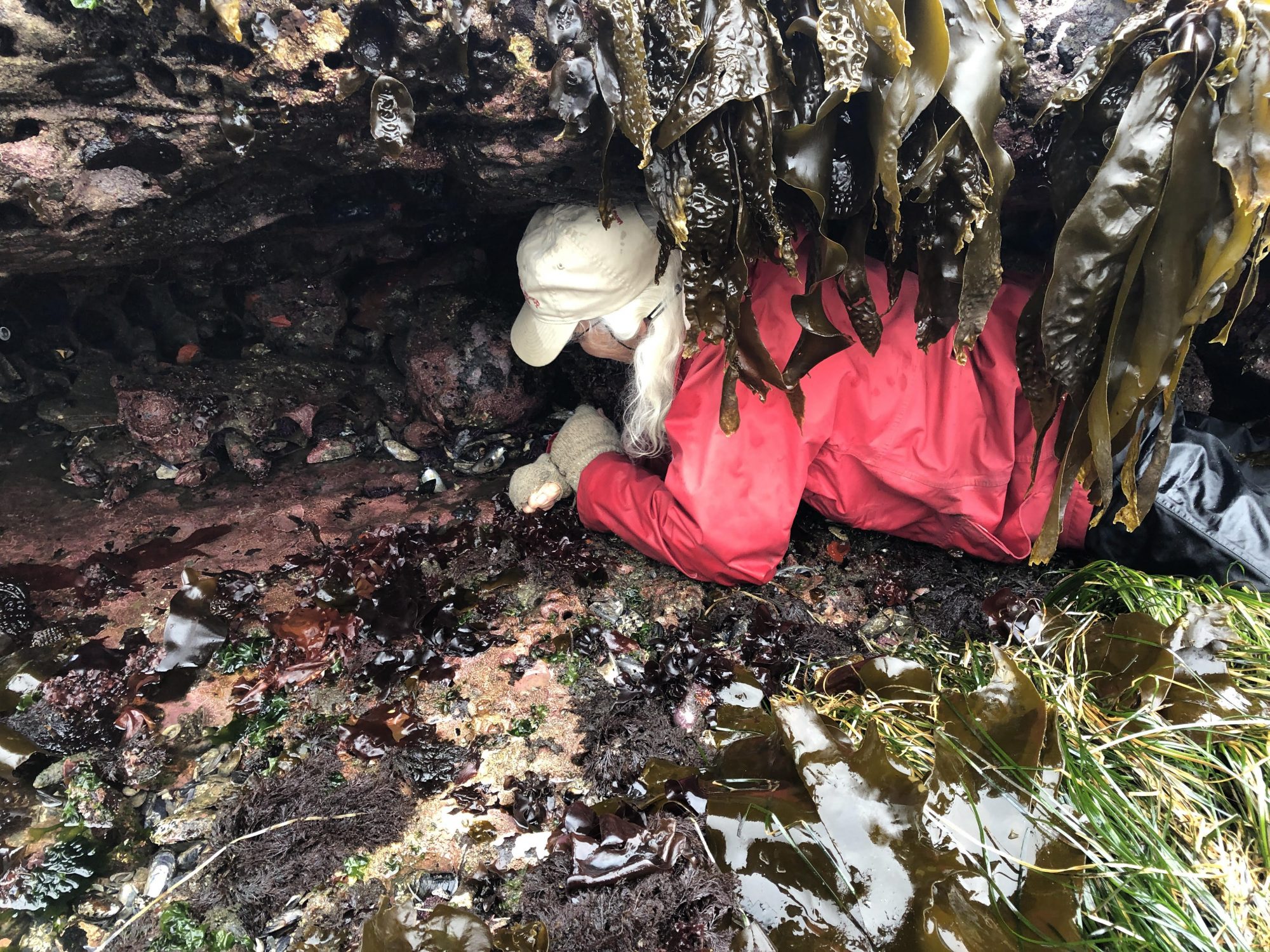
Dr. Megan N. Dethier, FHL Director
December 2025